Food and drink
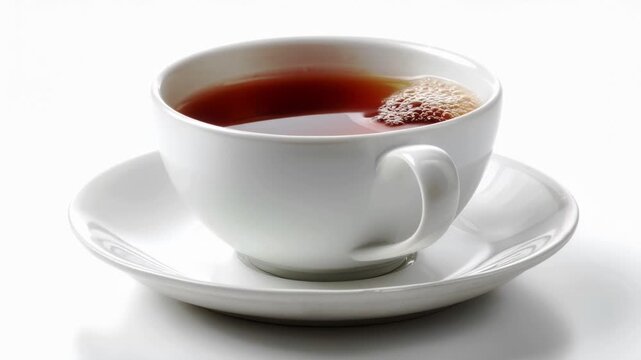
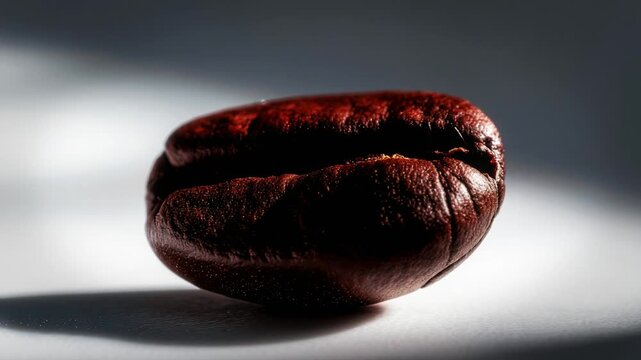
Almost nothing here is licensed to be watched whole. A pour, a steam curl, a caramel break, a cup set down on a table — each one arrives in a timeline that already has a voice, a price super and a hard out, and what decides whether the file was worth the credits is how it behaves once an editor takes a knife to it. Cafés, delivery apps, packaged goods and hotel groups all buy from this shelf and they all cut to different lengths. When the brief is really about the surface the food is standing on rather than the food, wood and rustic will get you there faster.
Three beats, or it cannot be trimmed
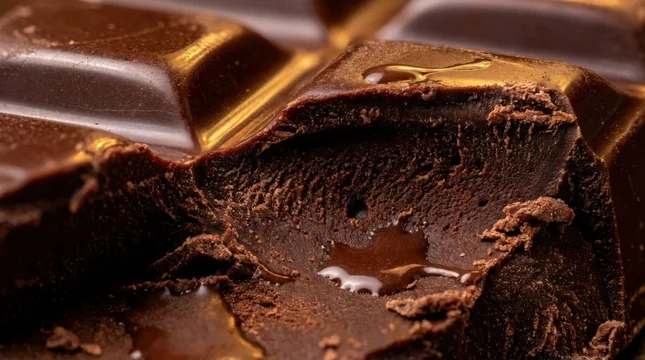
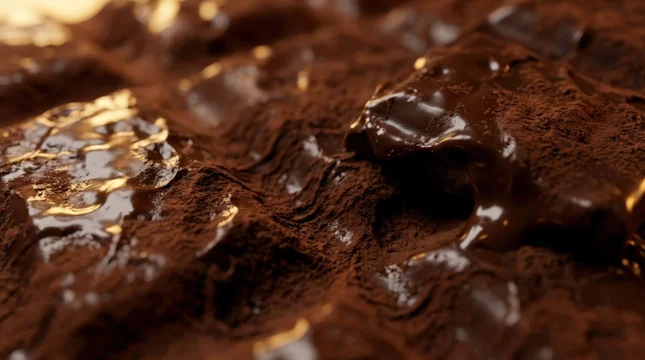
A clip that survives editing has an approach, a peak and a settle: the spoon arriving, the chocolate giving way, the liquid coming to rest. Each boundary is a place a cut lands cleanly. A clip built as one continuous move — a single slow push across a plate, a gimbal arc that never stops — has no interior joints at all. You can take its head or its tail, but every cut inside it falls mid-travel, and mid-travel reads as a mistake. It is usually the better thumbnail and the first file to break at six seconds.
Where the peak sits is the other half of the same problem. Clips on Adobe Stock run from 5 to 60 seconds, while the cuts they are bought for are often shorter than the file: a YouTube bumper is non-skippable and 5 to 6 seconds long, and a skippable in-stream ad only owns the viewer for the 5 seconds before the skip button works. TikTok asks for the proposition inside the first 3 seconds and the hook inside the first 6. So note the timecode of the peak and subtract it from your shortest cut. If the caramel breaks nine seconds in, the approach has to be disposable, or the file is a thirty-second asset pretending to be a six.
What vertical takes off the table
A centre crop from 16:9 to 9:16 keeps just under a third of the original width — 81/256, to be exact. On a table-top frame that is the worst possible loss, because a table is composed sideways: the second cup, the plate edge, the sprig at the margin and the negative space the headline was going to sit in all go first, and what is left is a narrow column through the middle of the dish. Adobe Stock carries native vertical sizes such as 1080x1920 and 2160x3840, so it is worth checking for a shot framed that way before buying one to crop. Leave margin even then: TikTok recommends 9:16 and states that the safe zone shifts with the dimension, the caption length and any add-on formats, which is why it ships the zones as template files rather than fixed numbers.
Before you licence
- Scrub for the three beats; a single unbroken move cannot be trimmed from the inside.
- Note the peak's timecode and check it fits inside your shortest cut.
- Look for a native vertical version before committing to a crop.
- Check frame rate against your timeline — stock clips come at 23.98 through 60, and 30 in a 25 sequence stutters.
- Decide where the price or product super lands before you judge the composition.
- Watch the steam and the melt: they make two takes of the same dish impossible to intercut.
When the shot is meant to be seen from directly overhead, start from flat lay and top view instead.
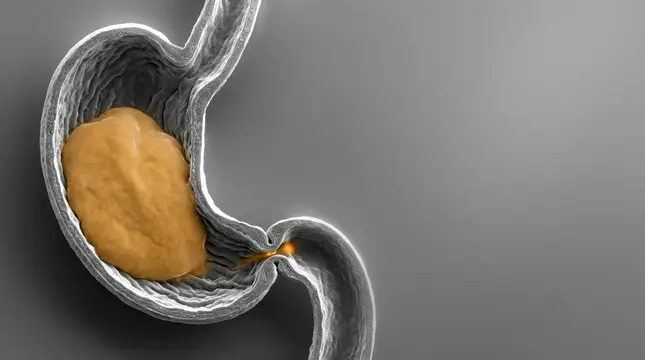

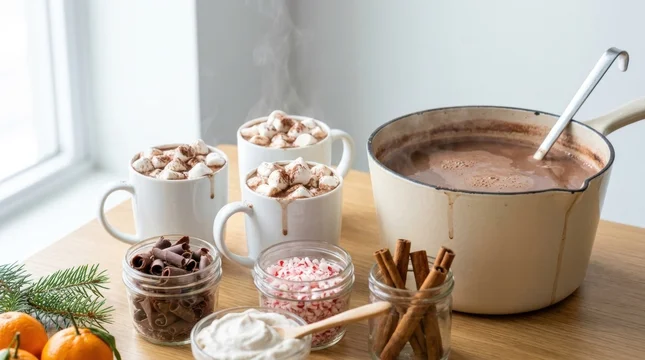
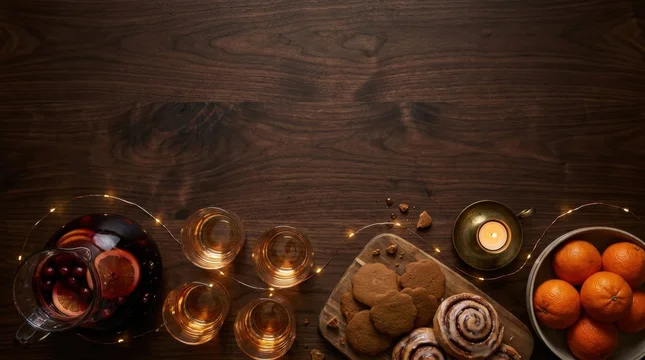

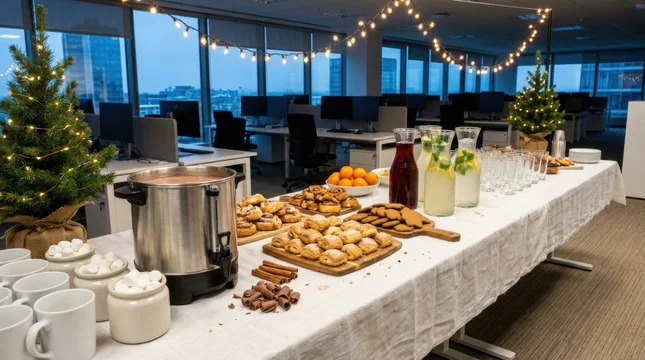


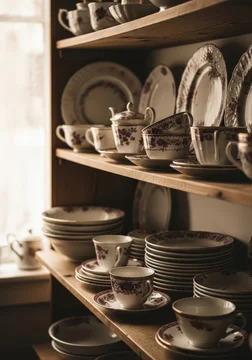




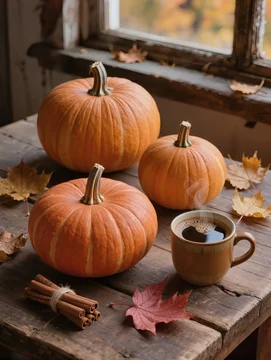

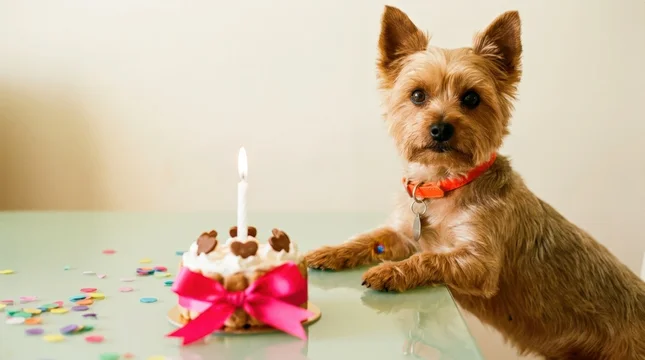
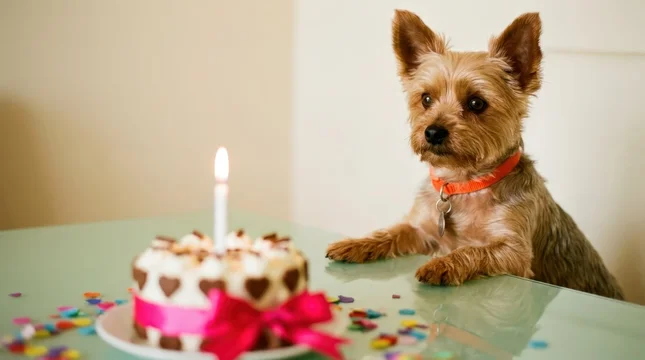




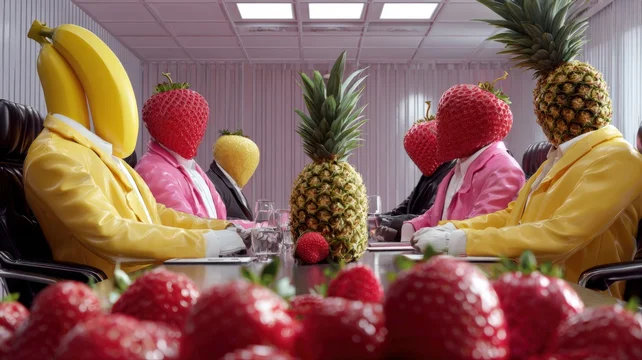

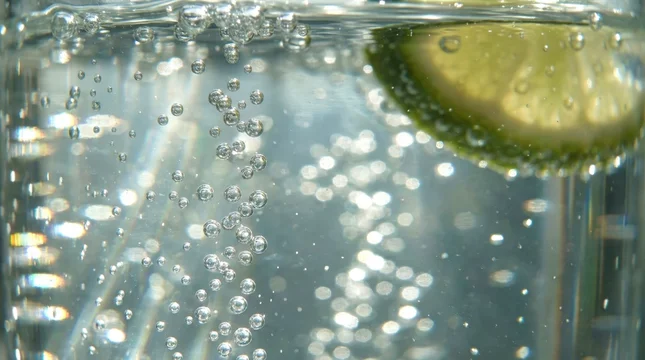

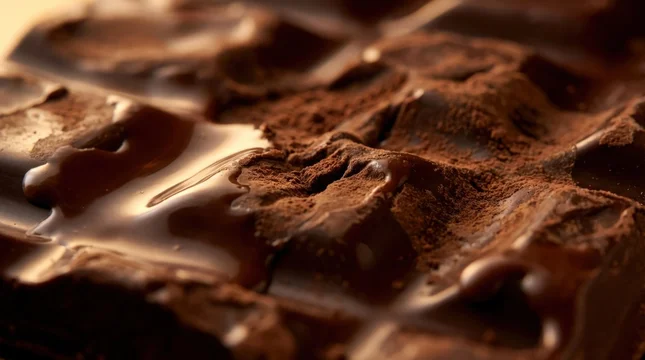
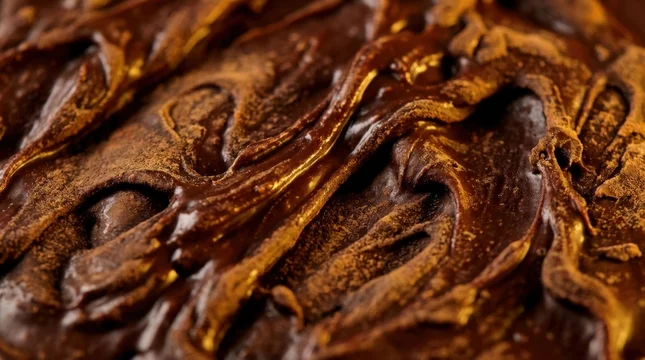









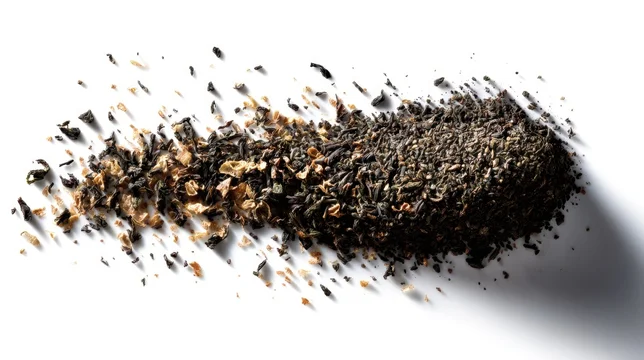
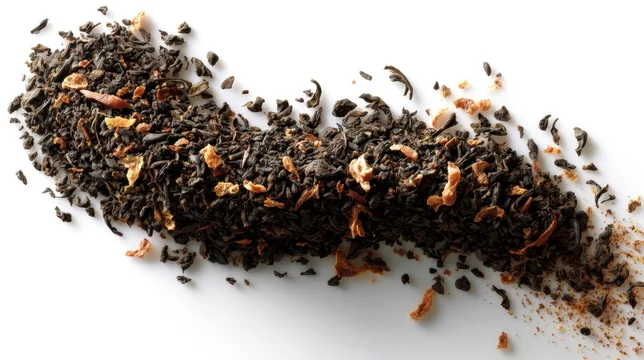
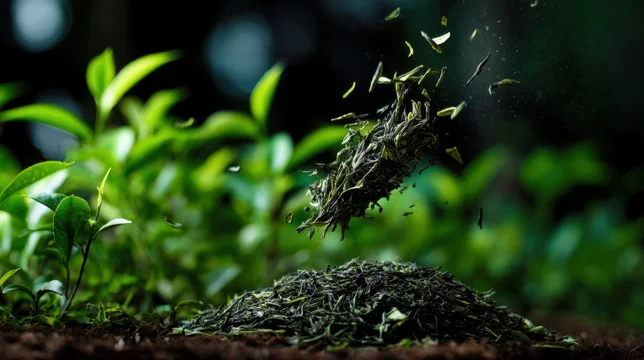
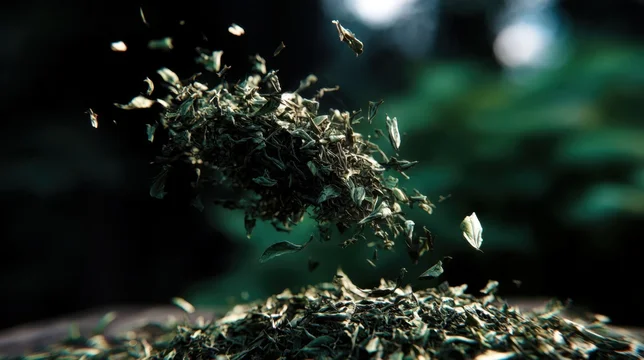

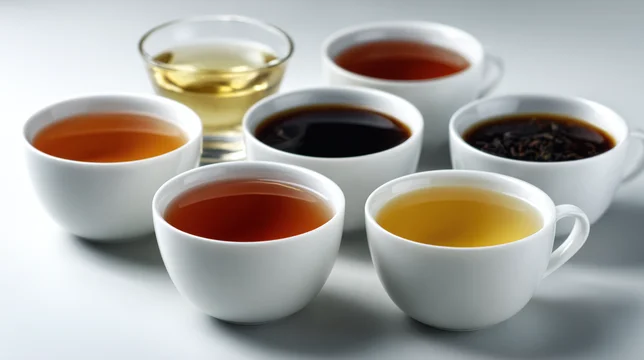
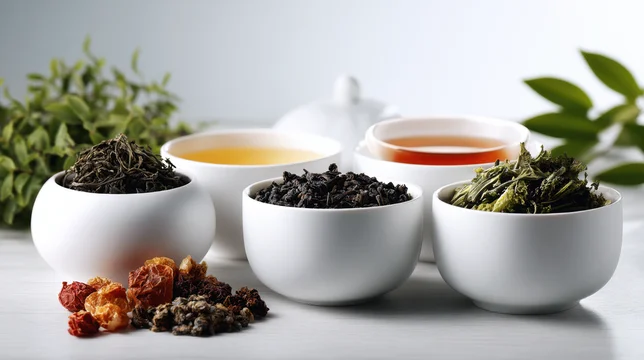
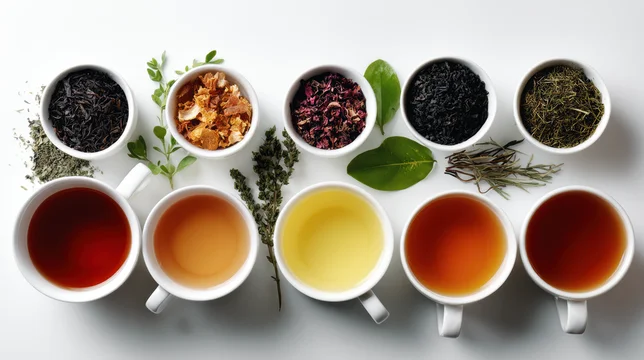
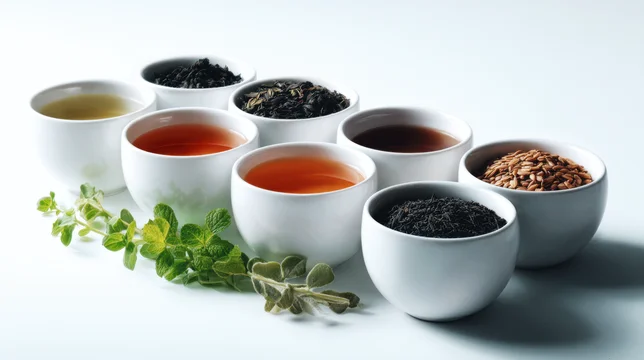

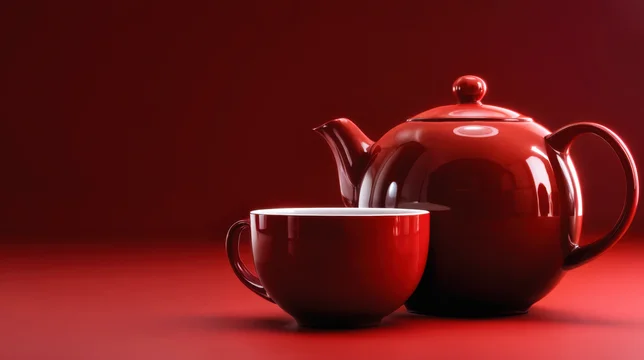
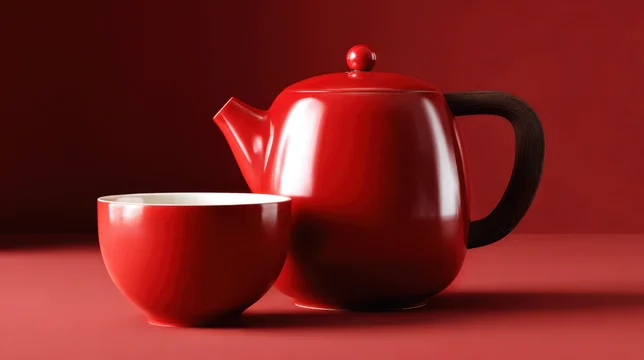
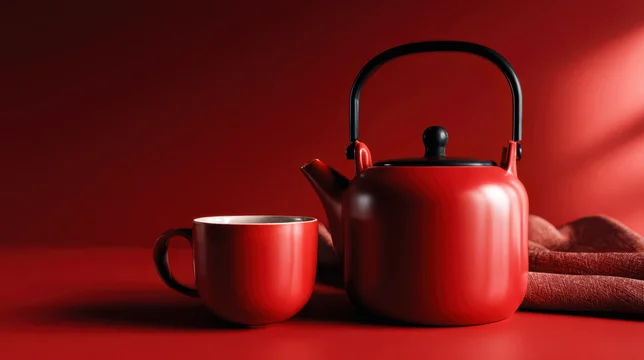







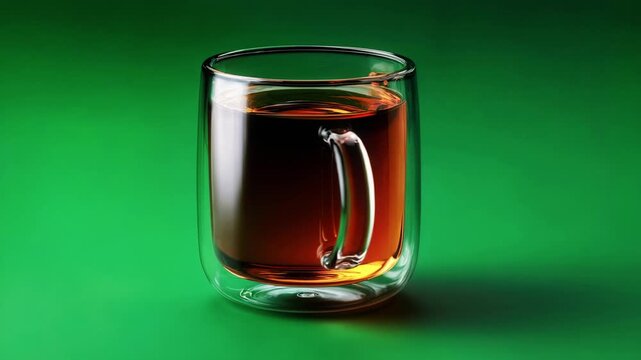 00:10
 00:10
 00:10
 00:10
Need a shot that isn't here? Write to me.
Get in touchMore collections
See all 1,185
Textures and surfaces
Marble, stone, plaster, fabric and metal surfaces for backgrounds, overlays and product scenes.
 1,093
Abstract backgrounds and animations
Gradients, kaleidoscopes, particles and fluid motion for backgrounds and transitions.
 671
Botanical and plants
Leaves, foliage and houseplants for packaging, wellness and natural-product design.